Diving into the realm of siding and roofing replacement costs, readers will embark on a journey filled with valuable insights and practical advice. This introduction sets the stage for a comprehensive exploration of the factors, tips, comparisons, and additional expenses associated with these projects, all delivered in a engaging and informative manner.
In the subsequent paragraphs, readers will uncover detailed information about the intricacies of siding and roofing replacement costs, shedding light on crucial aspects that homeowners should consider before undertaking such endeavors.
Factors influencing siding and roofing replacement costs
When considering the cost of siding and roofing replacement, several factors come into play that can influence the final expenses. Understanding these key factors is essential for homeowners looking to budget for such projects.
Types of Roofing Materials and Costs
Different roofing materials come with varying costs that can significantly impact the overall replacement expenses. For example, asphalt shingles are a popular and cost-effective option, while metal roofing tends to be more expensive due to its durability and longevity. Additionally, premium materials like slate or clay tiles can drive up the cost even further.
Size of the Roof and Replacement Cost
The size of the roof directly affects the total replacement cost, as larger roofs require more materials and labor to complete the job. Roofing contractors typically charge per square foot, so the square footage of the roof plays a crucial role in determining the overall expenses.
A larger roof will naturally result in higher replacement costs.
Complexity of Roofing Design and Cost Estimate
Roofs with intricate designs, multiple angles, or unique features can increase the complexity of the replacement project. This complexity often translates to higher labor costs, as more time and expertise are required to install the new roofing materials properly. As a result, homeowners with complex roofing designs should expect a higher cost estimate for the replacement project.
Labor Costs in Siding and Roofing Replacement
Labor costs make up a significant portion of the total expenses for siding and roofing replacement. Experienced roofing contractors typically charge higher rates for their services, especially for specialized tasks or challenging projects. The skill level and efficiency of the laborers can impact the overall cost, as more skilled workers may command higher wages but can also complete the job more quickly and effectively.
Cost-saving tips for siding and roofing replacement
When it comes to siding and roofing replacement, there are several strategies you can implement to minimize costs while still ensuring quality and durability. By following these cost-saving tips, you can make the most of your home improvement project without breaking the bank.
Selecting cost-effective yet durable siding materials
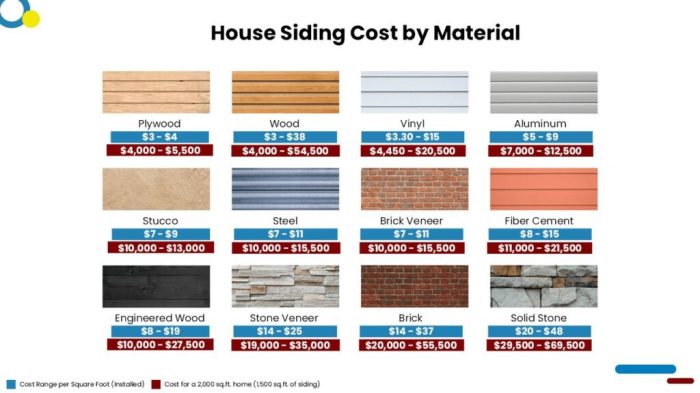
Choosing the right siding material is crucial in reducing replacement costs in the long run. Opt for materials that offer a good balance between cost-effectiveness and durability. Vinyl siding, for example, is a popular choice due to its affordability and low maintenance requirements.
Fiber cement siding is another excellent option known for its durability and longevity.
Benefits of bundling siding and roofing replacement projects
Consider bundling your siding and roofing replacement projects to save on overall costs. When you hire a contractor to work on both projects simultaneously, you may be able to negotiate a better deal. Contractors may offer discounts for bundled services, helping you maximize your savings while enhancing the curb appeal and functionality of your home.
Proper maintenance to extend the lifespan of siding and roofing
Regular maintenance is key to extending the lifespan of your new siding and roofing, ultimately reducing the need for premature replacements. Keep your siding clean, inspect for any damage or wear, and address issues promptly to prevent further deterioration. Similarly, schedule routine roof inspections and maintenance to identify and fix potential problems early on.
By investing in preventive care, you can avoid costly replacements down the line.
Obtaining multiple quotes from contractors for competitive pricing
Before committing to a siding or roofing replacement project, be sure to obtain multiple quotes from different contractors. This allows you to compare pricing, services offered, and the quality of materials used. By gathering several quotes, you can ensure you're getting the best value for your investment and potentially negotiate a more competitive price.
Don't hesitate to ask questions and clarify any uncertainties to make an informed decision that aligns with your budget and needs.
Comparison of Siding and Roofing Materials in Terms of Cost and Durability
When it comes to choosing siding and roofing materials, cost and durability are two crucial factors to consider. Different materials offer varying levels of longevity and maintenance requirements, which can influence the overall value of your investment.
Siding Materials
- Vinyl:Vinyl siding is one of the most affordable options, making it popular among homeowners on a budget. While it may not have the same longevity as other materials, it requires minimal maintenance.
- Wood:Wood siding offers a classic and natural look but comes with a higher initial cost. It requires more maintenance, such as regular painting or staining, to prevent rot and decay.
- Fiber Cement:Fiber cement siding is a durable option that can mimic the look of wood or stucco. It has a moderate initial cost but boasts excellent longevity and low maintenance requirements.
- Brick:Brick siding is known for its durability and timeless appeal. While it has a high upfront cost, it can last for decades with minimal maintenance.
Roofing Materials
- Asphalt Shingles:Asphalt shingles are the most common and affordable roofing material. While they have a relatively short lifespan compared to other materials, they are easy to install and maintain.
- Metal:Metal roofing is increasingly popular due to its durability and energy efficiency. It has a higher initial cost but can last significantly longer than asphalt shingles with minimal maintenance.
- Tile:Tile roofing offers a unique aesthetic and excellent durability. It comes with a higher price tag but can last for a century or more with proper care.
- Slate:Slate roofing is known for its elegance and longevity. While it is one of the most expensive roofing materials upfront, it can last for generations and requires little maintenance.
Considering the initial cost of materials along with their longevity and maintenance requirements is essential when choosing siding and roofing materials. It's important to strike a balance between upfront expenses and long-term value. Selecting materials that offer a good combination of affordability, durability, and low maintenance can ensure that your home remains protected and looking great for years to come.
Additional expenses to consider during siding and roofing replacement
When planning for siding and roofing replacement, it's essential to consider various additional expenses that may arise during the process. These costs can impact the overall budget and should be factored in from the beginning to avoid any surprises. Let's explore some key factors to consider when estimating the total cost of siding and roofing replacement.
Permits, Disposal, and Unforeseen Repairs
- Permits: Depending on your location, you may need to obtain permits for the siding and roofing replacement project. Permit costs can vary, so it's important to check with your local authorities to understand the requirements and associated fees.
- Disposal of Old Materials: Removing and disposing of old siding and roofing materials can add to the overall cost. Consider renting a dumpster or hiring a waste removal service to handle this aspect of the project.
- Unforeseen Repairs: Once the old siding or roofing is removed, unforeseen damages or issues may be uncovered. It's crucial to budget for potential repairs or replacements to ensure the project stays on track.
Insulation and Ventilation Upgrades
When replacing siding and roofing, it's a great opportunity to upgrade insulation and ventilation systems. Proper insulation and ventilation can improve energy efficiency, indoor comfort, and the longevity of your new siding and roofing. Investing in these upgrades may incur additional costs but can result in long-term savings and benefits.
Roofing Underlayment Choice
The choice of roofing underlayment can significantly impact the overall cost and performance of the new roof. Opting for high-quality underlayment materials may increase upfront costs but can enhance the durability and weather resistance of your roof. It's essential to weigh the benefits of different underlayment options against their costs to make an informed decision.
Financing Options for Homeowners
- Home Equity Loans: Using the equity in your home to finance siding and roofing replacement is a common option. Home equity loans typically offer lower interest rates and longer repayment terms compared to other financing methods.
- Personal Loans: Personal loans can provide a quick source of funding for home improvement projects like siding and roofing replacement. It's important to compare interest rates and terms from different lenders to find the most suitable option for your needs.
- Financing through Contractors: Some contractors may offer financing options to help homeowners cover the cost of siding and roofing replacement. Be sure to review the terms and conditions of any contractor-provided financing carefully before making a decision.
Final Conclusion
As we wrap up our discussion on siding and roofing replacement costs, it becomes evident that proper planning, informed decision-making, and strategic approaches can significantly impact the overall expenses involved in these projects. By following the tips and guidelines provided, homeowners can navigate through the complexities of cost estimation with confidence and clarity.
General Inquiries
What factors influence siding and roofing replacement costs?
Factors include the type of roofing materials, size of the roof, complexity of design, and labor costs.
How can homeowners save costs on siding and roofing projects?
Strategies include selecting cost-effective materials, bundling projects, proper maintenance, and obtaining multiple quotes.
What are common siding and roofing materials in terms of cost and durability?
Common siding materials include vinyl, wood, fiber cement, and brick, while roofing materials range from asphalt shingles to slate.
What additional expenses should homeowners consider during replacement?
Additional costs may include permits, disposal, repairs, insulation upgrades, ventilation, and roofing underlayment.