Exploring the realm of energy-efficient HVAC systems for eco-friendly interiors, this introduction sets the stage for a comprehensive discussion on the importance of sustainable heating, ventilation, and air conditioning systems. From enhancing indoor comfort to reducing environmental impact, the following paragraphs will delve into the key aspects of energy-efficient HVAC systems and their role in creating environmentally conscious spaces.
As we delve deeper into the design features, technology integration, and maintenance strategies of energy-efficient HVAC systems, we will uncover the intricate mechanisms that drive energy conservation and promote eco-friendly practices in building management.
Importance of Energy Efficient HVAC Systems
Energy efficient HVAC systems play a crucial role in creating eco-friendly interiors by reducing energy consumption and minimizing environmental impact. These systems are designed to optimize energy usage and enhance overall efficiency, contributing to a sustainable and environmentally conscious living or working space.
Contribution to Sustainability
Energy efficient HVAC systems contribute to sustainability by minimizing energy wastage and reducing greenhouse gas emissions. By using advanced technologies such as variable speed motors, smart thermostats, and energy recovery ventilators, these systems can operate more efficiently and effectively, leading to lower energy consumption and operational costs.
- Variable speed motors: These motors adjust the speed of the HVAC system's components based on the heating or cooling demands, resulting in optimized energy usage and greater efficiency.
- Smart thermostats: Smart thermostats allow users to control and schedule their HVAC systems remotely, ensuring that energy is not wasted when no one is present or when the space is unoccupied.
- Energy recovery ventilators: These devices help improve indoor air quality while also recovering and reusing energy that would otherwise be lost, further enhancing the system's efficiency.
Impact on Reducing Carbon Footprint
Energy efficient HVAC systems play a significant role in reducing carbon footprint by lowering energy consumption and minimizing the reliance on fossil fuels for heating and cooling. This reduction in energy usage leads to decreased greenhouse gas emissions, helping to combat climate change and protect the environment.
By investing in energy efficient HVAC systems, individuals and businesses can not only save on energy costs but also contribute to a more sustainable future for the planet.
Design Features of Energy Efficient HVAC Systems
Energy efficient HVAC systems are designed with specific features that help reduce energy consumption and promote sustainable living practices.
Proper Insulation and Air Sealing
One key design element of energy efficient HVAC systems is proper insulation and air sealing. This helps to prevent air leaks and maintain a consistent indoor temperature, reducing the workload on the HVAC system and ultimately saving energy.
Programmable Thermostats
Another important design feature is the use of programmable thermostats. These allow homeowners to set specific temperatures for different times of the day, ensuring that the HVAC system only operates when needed, further reducing energy usage.
Zoning
Implementing zoning in HVAC systems is also crucial for optimizing energy use. By dividing the home into different zones with separate thermostats, homeowners can control the temperature in specific areas, avoiding unnecessary heating or cooling of unoccupied spaces.
Technology Integration for Energy Efficiency
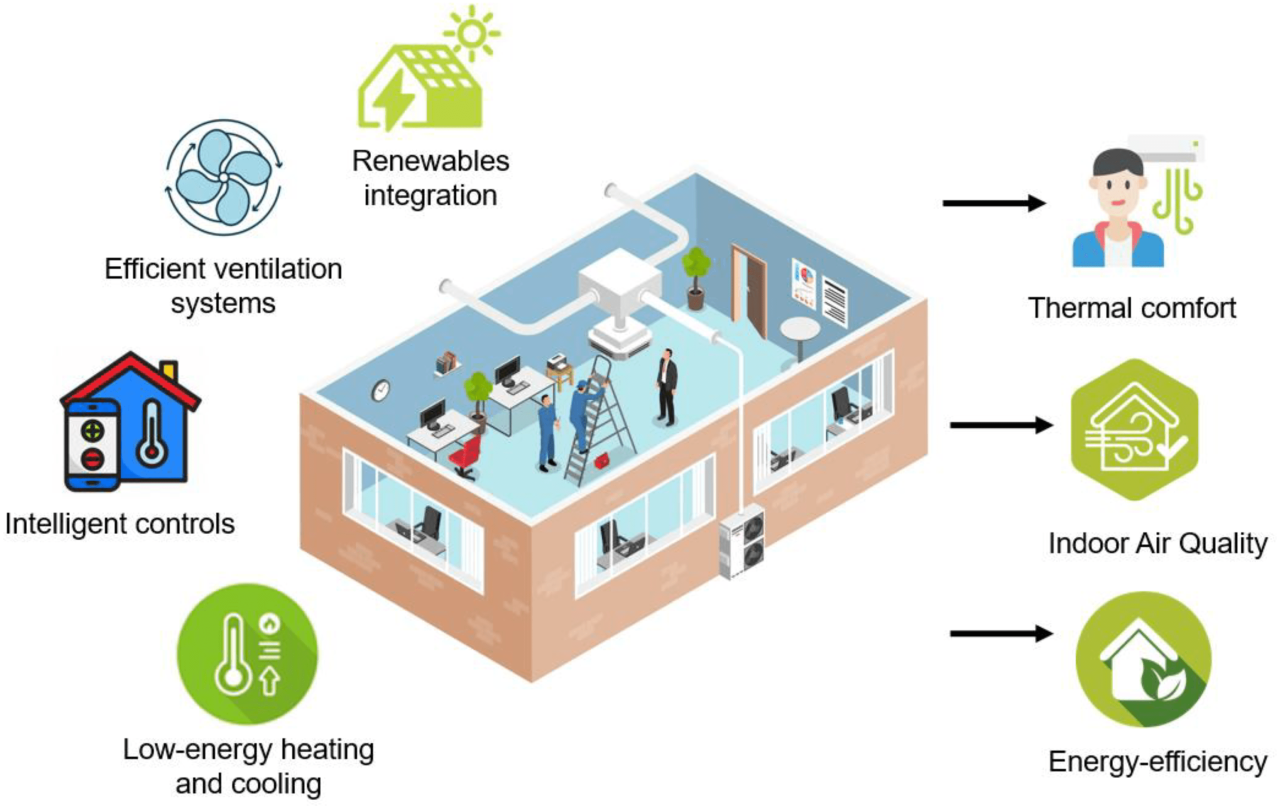
Smart HVAC controls play a crucial role in improving energy efficiency in buildings by optimizing the heating, ventilation, and air conditioning systems based on real-time data and user preferences. These advanced controls help reduce energy consumption and operational costs while maintaining a comfortable indoor environment.
Benefits of Integrating HVAC Systems with Renewable Energy Sources
Integrating HVAC systems with renewable energy sources such as solar panels or geothermal heat pumps can significantly reduce the reliance on traditional energy sources and lower carbon emissions. By harnessing clean energy, buildings can operate more sustainably and contribute to a greener future
Use of Advanced Sensors and Monitoring Systems for Energy Optimization
Advanced sensors and monitoring systems enable precise control over HVAC operations, allowing for automatic adjustments based on factors like occupancy, outdoor temperature, and humidity levels. By continuously monitoring and analyzing data, these systems optimize energy usage and improve overall system performance.
Maintenance and Optimization for Eco-Friendly HVAC Systems
Regular maintenance plays a crucial role in ensuring that eco-friendly HVAC systems operate efficiently and effectively. By following proper maintenance practices, you can maximize energy savings and reduce your environmental impact.
Importance of Regular Maintenance
Regular maintenance is essential for eco-friendly HVAC systems to function optimally. It helps prevent breakdowns, ensures proper airflow, and extends the lifespan of the system. By keeping your HVAC system well-maintained, you can significantly reduce energy consumption and lower utility costs.
Tips for Optimizing HVAC Systems
- Regularly clean and replace air filters: Dirty filters restrict airflow, making the system work harder and consume more energy. By cleaning or replacing filters every 1-3 months, you can improve efficiency and reduce energy usage.
- Adjust thermostat settings: Programmable thermostats allow you to set temperature schedules based on when you are home or away. By optimizing these settings, you can avoid unnecessary heating or cooling when no one is present.
- Seal ducts and leaks: Leaky ducts can waste a significant amount of energy. By sealing ducts and fixing leaks, you can ensure that conditioned air reaches its intended destination efficiently.
- Schedule professional maintenance: Regular inspections and tune-ups by HVAC professionals can identify and address any issues before they escalate, ensuring optimal performance and energy efficiency.
Impact of Air Filter Replacement
Replacing air filters is a simple yet effective way to enhance the efficiency of eco-friendly HVAC systems. Clogged or dirty filters force the system to work harder, leading to increased energy consumption. By replacing filters regularly, you can improve airflow, reduce strain on the system, and ultimately save energy.
Final Conclusion
In conclusion, energy-efficient HVAC systems stand as pillars of sustainability, offering a practical solution to reduce energy consumption and minimize carbon footprint in modern structures. By embracing innovative technologies and adopting proactive maintenance approaches, eco-friendly interiors can be achieved without compromising on comfort or efficiency.
FAQ Compilation
How do energy-efficient HVAC systems contribute to sustainability?
Energy-efficient HVAC systems reduce energy consumption, leading to lower greenhouse gas emissions and a smaller carbon footprint, thus promoting environmental sustainability.
What role do programmable thermostats play in optimizing energy use?
Programmable thermostats allow users to set specific temperature schedules, reducing energy waste by adjusting heating and cooling levels based on occupancy patterns.
How can integrating HVAC systems with renewable energy sources benefit eco-friendly interiors?
Integrating HVAC systems with renewable energy sources like solar panels or geothermal heat pumps can further reduce reliance on traditional energy sources, making interiors more sustainable.
Why is regular maintenance important for ensuring energy efficiency of HVAC systems?
Regular maintenance helps identify and address issues that may affect the performance of HVAC systems, ensuring optimal energy efficiency and prolonging the lifespan of the equipment.
What impact does air filter replacement have on the efficiency of HVAC systems?
Regular air filter replacement improves indoor air quality, reduces strain on HVAC components, and enhances overall system efficiency by allowing proper airflow.