Kicking off with custom built homes vs modular homes, this comparison delves into the intricacies of each housing option to help you make an informed decision.
Whether you're leaning towards the flexibility of custom built homes or the efficiency of modular homes, understanding the differences is key.
Custom Built Homes
Custom built homes are houses that are designed and constructed according to the specific preferences and needs of the homeowner. Unlike modular homes, which are built in sections in a factory and then assembled on-site, custom built homes are built entirely on location.
Benefits of Choosing a Custom Built Home
- Unique Design: Custom built homes allow homeowners to have complete control over the design and layout of their house, ensuring it fits their lifestyle and aesthetic preferences perfectly.
- Quality Materials: Homeowners can choose the materials used in the construction of their custom built home, ensuring high quality and durability.
- Personalization: Custom built homes offer the opportunity to personalize every aspect of the house, from the floor plan to the finishes, creating a truly unique living space.
- Location Choice: Homeowners can select the exact location where their custom built home will be constructed, whether it's in a rural setting or a bustling city neighborhood.
Unique Features in Custom Built Homes
- Smart Home Technology: Incorporating advanced technology for security, energy efficiency, and convenience.
- Customized Built-ins: Designing custom cabinets, shelves, and other storage solutions to maximize space and functionality.
- Outdoor Living Spaces: Creating custom outdoor areas like decks, patios, and gardens for relaxation and entertainment.
- Luxury Amenities: Adding features like home theaters, wine cellars, or spa-like bathrooms for a touch of luxury.
Comparison of Customization Options
- Architectural Design: Custom built homes offer endless possibilities for architectural design, from traditional to modern styles.
- Interior Finishes: Homeowners can choose from a wide range of finishes, such as flooring, countertops, and fixtures, to reflect their personal taste.
- Room Layout: Custom built homes allow for flexibility in room layout, enabling homeowners to create spaces that suit their specific needs and preferences.
- Energy Efficiency: Custom built homes can be tailored to include energy-efficient features like solar panels, insulation, and high-efficiency HVAC systems.
Modular Homes
Modular homes are prefabricated houses that are built off-site in a factory setting and then assembled on the homeowner's property. Unlike traditional stick-built homes, modular homes are constructed in sections or modules, which are then transported to the site and assembled together to form a complete home.
Construction Process of Modular Homes
Modular homes are built in a climate-controlled factory, which allows for greater precision and efficiency in the construction process. The modules are constructed according to the design and specifications provided by the homeowner. Once completed, the modules are transported to the site and assembled by a team of professionals.
This streamlined process reduces construction time significantly compared to traditional on-site construction.
Advantages and Disadvantages of Modular Homes
- Advantages:
- Cost-effective: Modular homes are often more cost-effective than custom built homes due to the controlled factory environment and assembly line production.
- Quicker construction: Modular homes can be built in a fraction of the time it takes to construct a stick-built home, saving time and reducing labor costs.
- Quality control: The factory setting allows for better quality control as each module is inspected throughout the construction process.
- Disadvantages:
- Limited customization: Modular homes may have limitations in design options compared to custom built homes.
- Transportation challenges: Transporting the modules to the site can be complicated depending on the location and accessibility.
- Resale value: Some potential buyers may perceive modular homes differently than traditional homes, affecting resale value.
Cost-Effectiveness of Modular Homes
Modular homes are generally more cost-effective than custom built homes due to the controlled factory environment, which reduces material waste and labor costs. The assembly line production also contributes to cost savings as the construction process is streamlined and efficient.
Homeowners can save money on construction time and labor expenses, making modular homes a more affordable housing option.
Design and Customization
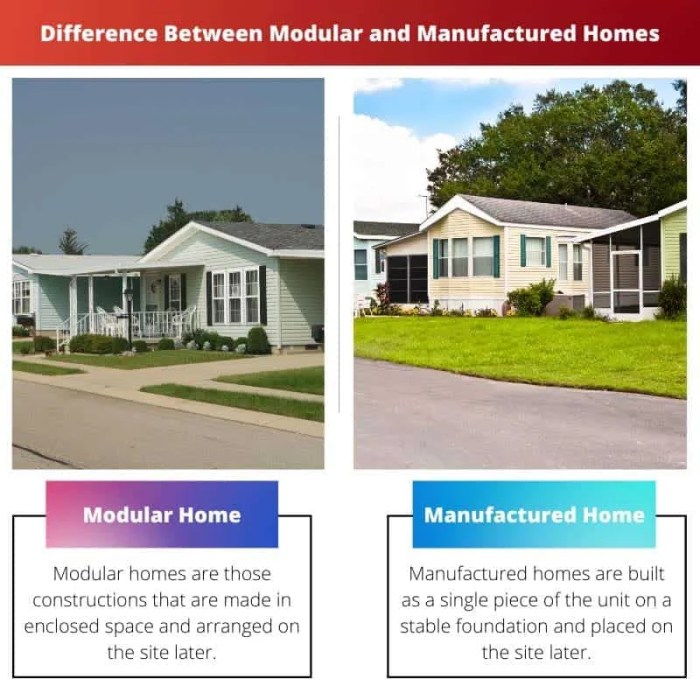
When it comes to designing your dream home, the level of customization plays a crucial role in creating a space that truly reflects your personality and lifestyle. Let's delve into the differences in design and customization between custom built homes and modular homes
Design Flexibility in Custom Built Homes
Custom built homes offer unparalleled design flexibility, allowing homeowners to work closely with architects and builders to create a one-of-a-kind living space tailored to their specific needs and preferences. From choosing the layout and materials to selecting unique architectural features, the possibilities are virtually endless in custom built homes.
- Homeowners can personalize every aspect of their home, from the floor plan to the finishes, ensuring that the final result is a true reflection of their style and taste.
- Architects and designers can incorporate innovative design elements such as eco-friendly features, smart home technology, and energy-efficient systems to enhance the overall functionality and aesthetics of the home.
Limitations in Design and Customization in Modular Homes
On the other hand, modular homes have certain limitations when it comes to design and customization. Due to the prefabricated nature of modular construction, homeowners may have fewer options for customizing their home compared to custom built homes. While there are some design choices available, the range of selections may be more limited in modular homes.
- Modular homes often follow a set of predetermined floor plans and designs, which may restrict the level of customization that can be achieved.
- Customizing certain features or layouts in a modular home may incur additional costs or require modifications to the standard modules, impacting the overall efficiency of construction.
Innovative Design Choices in Custom Built Homes
Custom built homes allow for innovative design choices that can truly set them apart from conventional homes. Some examples of innovative design choices in custom built homes include:
- Integration of sustainable building materials and green technologies to reduce the home's environmental impact and energy consumption.
- Incorporation of unique architectural elements such as glass walls, skylights, and open floor plans to create a sense of openness and connection with the surrounding environment.
- Customized storage solutions, built-in furniture, and multi-functional spaces that maximize the use of every square foot in the home.
Impact of Design and Customization on the Overall Living Experience
The design and customization of a home can significantly impact the overall living experience of its occupants. A thoughtfully designed and customized home not only enhances comfort and functionality but also contributes to a sense of pride and satisfaction in homeowners.
- Personalized design choices can create a unique living environment that reflects the homeowner's personality and values, fostering a strong emotional connection to the space.
- Innovative design features can improve the quality of everyday living, promoting efficiency, comfort, and well-being for the residents.
- Customization allows homeowners to tailor their home to suit their specific needs and lifestyle, ensuring that every aspect of the home contributes to their overall happiness and satisfaction.
Construction Process
In the construction process of custom-built homes and modular homes, there are distinct differences in timelines, prefabrication methods, quality control measures, and sustainability aspects.
Construction Timelines
Custom built homes typically have longer construction timelines compared to modular homes. This is due to the fact that custom-built homes are constructed on-site from scratch, involving more intricate design elements and customization options. On the other hand, modular homes are prefabricated in a factory-controlled environment, which streamlines the construction process and reduces overall build time.
Role of Prefabrication
Prefabrication plays a crucial role in the construction of modular homes. Components of a modular home are built off-site in a factory setting, allowing for greater precision and efficiency in the construction process. These prefabricated modules are then transported to the site for assembly, reducing on-site construction time and minimizing waste.
Quality Control Measures
Both custom-built homes and modular homes implement quality control measures to ensure the structural integrity and overall quality of the final product. Custom-built homes may involve on-site inspections and supervision throughout the construction process, while modular homes adhere to strict factory standards and inspections during each phase of production.
Sustainability Aspects
When comparing sustainability aspects, modular homes often have an advantage over custom-built homes. The controlled environment of a factory allows for better resource management, reduced waste, and improved energy efficiency during the construction process. Additionally, modular homes can be designed with sustainable materials and features that promote eco-friendly living.
Conclusive Thoughts
In conclusion, the choice between custom built homes and modular homes ultimately boils down to your preferences, budget, and timeline. Each option has its unique advantages and considerations, so weigh them carefully before embarking on your homeownership journey.
Frequently Asked Questions
Can I customize a modular home as much as a custom built home?
Modular homes offer some customization options, but they are generally more limited compared to custom built homes. Custom built homes provide greater flexibility in design and features.
Are modular homes more cost-effective than custom built homes?
In general, modular homes tend to be more cost-effective than custom built homes due to the efficiencies in construction and materials. However, the overall cost can vary based on customization and location.
How long does it take to build a custom built home versus a modular home?
Custom built homes usually have longer construction timelines compared to modular homes, as they are built on-site and involve more intricate customization. Modular homes, being prefabricated, can be assembled relatively quickly once the modules are delivered to the site.