Architectural interior design 2 sets the stage for this enthralling narrative, offering readers a glimpse into a story that is rich in detail and brimming with originality from the outset. From the intricate balance of lighting and color schemes to the innovative spatial planning solutions, this topic delves deep into the realm of creating functional and aesthetically pleasing spaces.
As we delve further into the key elements and sustainable practices of architectural interior design 2, a world of creativity and design possibilities unfolds before us, showcasing the importance of architectural features and eco-friendly materials in shaping modern interiors.
Definition of Architectural Interior Design
Architectural interior design focuses on the design and coordination of interior spaces within a building, taking into account the architectural elements and structural components. It involves creating functional and aesthetically pleasing environments that enhance the overall design of a space.
Examples of Architectural Interior Design
- Integration of structural elements like columns, beams, and ceilings into the design.
- Consideration of building codes and regulations for interior spaces.
- Designing custom-built furniture and fixtures that complement the architectural style of the building.
Importance of Architectural Interior Design
Architectural interior design plays a crucial role in creating spaces that are not only visually appealing but also highly functional. It ensures that the interior layout and design are in harmony with the overall architectural concept of the building. By integrating architectural elements into the interior design, architects and designers can create cohesive and seamless spaces that enhance the user experience and improve the quality of living or working environments.
Elements of Architectural Interior Design
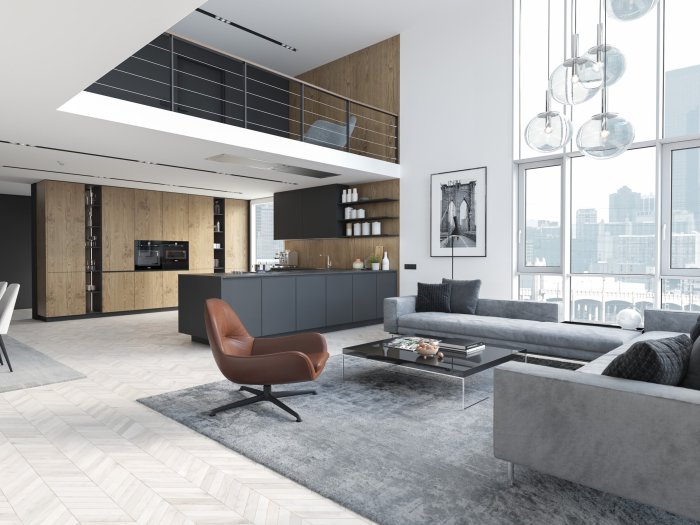
Interior design is a multifaceted discipline that involves various elements working together harmoniously to create functional and aesthetically pleasing spaces. Key elements in architectural interior design include lighting, color schemes, materials, and furniture. Let's delve into how these elements come together to shape interior spaces.
Lighting
Lighting plays a crucial role in setting the mood and ambiance of a space. Properly planned lighting can highlight architectural features, create focal points, and enhance the overall design. Whether it's natural light streaming through windows or strategically placed artificial lighting, the right lighting can transform a room.
Color Schemes
Color schemes are essential in interior design as they can evoke different emotions and affect the perception of space. From warm and inviting tones to cool and calming hues, the choice of colors can significantly impact the atmosphere of a room.
A well-coordinated color scheme can tie together the various elements of a space.
Materials
The selection of materials in architectural interior design is crucial for both aesthetics and functionality. From luxurious marble countertops to durable hardwood flooring, materials contribute to the overall look and feel of a space. Mixing different textures and finishes can add depth and character to a room.
Furniture
Furniture not only serves a practical purpose but also contributes to the design aesthetic of a space. The choice of furniture pieces, their layout, and style can define the overall look of a room. Whether it's sleek and contemporary or traditional and ornate, furniture plays a significant role in interior design.
Integration of Structural Elements
Architectural interior design seamlessly integrates structural elements into the overall design of a space. Features like exposed beams, arched doorways, and columns can add architectural interest and character to a room. By incorporating these elements into the design, a space can achieve a cohesive and harmonious look.
Role of Architectural Features
Architectural features such as arches, columns, and beams play a vital role in interior design by adding visual interest and defining the style of a space. Arches can create a sense of grandeur, columns can provide a sense of symmetry and elegance, and beams can add a rustic or industrial touch.
These features can serve both aesthetic and structural purposes in architectural interior design.
Spatial Planning in Architectural Interior Design
Spatial planning plays a crucial role in architectural interior design, as it involves organizing and arranging spaces to enhance functionality and aesthetics. Architects and designers carefully consider the layout of rooms, circulation paths, and furniture placement to optimize the use of space and create a cohesive design
Optimizing Space Utilization
Spatial planning in architectural interior design involves carefully analyzing the available space and determining the best layout to maximize functionality and visual appeal. Architects and designers use various techniques to optimize space utilization, such as:
- Utilizing multifunctional furniture: Incorporating furniture pieces that serve multiple purposes, such as storage beds or convertible tables, helps save space and increase efficiency.
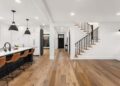
- Creating open floor plans: Removing walls or partitions to create open, flexible spaces can make a room feel larger and allow for better flow and connectivity between different areas.
- Utilizing vertical space: Installing shelves, cabinets, or mezzanines to maximize vertical space can provide additional storage or living areas without taking up valuable floor space.
- Considering sightlines and circulation: Planning the layout to ensure clear sightlines and smooth circulation paths can enhance the functionality and visual appeal of a space.
Innovative Spatial Planning Solutions
Innovative spatial planning solutions in architectural interior design often involve creative thinking and unconventional approaches to space utilization. Some examples include:
- Sliding walls or partitions: Installing movable walls or partitions allows for flexible room configurations, enabling spaces to adapt to different needs and activities.
- Pod-style furniture: Using modular furniture pieces that can be rearranged or clustered together to create intimate seating areas or workspaces offers versatility and customization options.
- Hidden storage solutions: Incorporating hidden storage compartments within furniture or walls helps maintain a clean and clutter-free aesthetic while maximizing storage space.
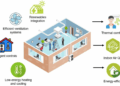
- Underfloor heating and cooling systems: Implementing underfloor HVAC systems not only optimizes space by eliminating the need for bulky radiators or air conditioning units but also provides efficient and even temperature control throughout the space.
Sustainable Practices in Architectural Interior Design
Sustainability in architectural interior design is essential to reduce the environmental impact of buildings, promote healthier spaces, and conserve resources for future generations. By incorporating sustainable practices, designers can create interiors that are not only aesthetically pleasing but also environmentally friendly.
Importance of Sustainability in Architectural Interior Design
Sustainability in architectural interior design is crucial to minimize waste, reduce energy consumption, and create spaces that promote well-being. By utilizing eco-friendly materials, energy-efficient design strategies, and green building practices, designers can contribute to a more sustainable future.
Eco-Friendly Materials
- Use of recycled materials such as reclaimed wood, recycled glass, and repurposed metal to reduce the demand for new resources.
- Selection of non-toxic, low VOC (volatile organic compound) materials to improve indoor air quality and create healthier environments.
- Integration of sustainable materials like bamboo, cork, and natural fibers that are renewable and biodegradable.
Energy-Efficient Design
- Implementing energy-efficient lighting solutions such as LED fixtures and daylighting strategies to reduce electricity consumption.
- Optimizing natural ventilation and thermal insulation to minimize the need for heating and cooling systems, thus lowering energy usage.
- Integrating smart technology and automation systems to monitor and control energy usage effectively.
Green Building Practices
- Adopting passive design strategies to maximize natural light, reduce heat gain, and enhance indoor comfort without relying heavily on mechanical systems.
- Utilizing water-saving fixtures, efficient plumbing systems, and greywater recycling to decrease water usage and promote water conservation.
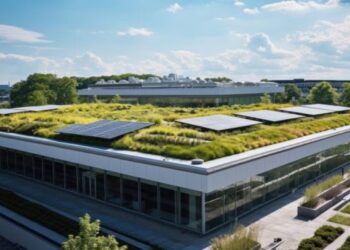
- Implementing green roof systems, vertical gardens, and sustainable landscaping to improve air quality, reduce urban heat island effect, and support biodiversity.
Wrap-Up
In conclusion, architectural interior design 2 offers a unique perspective on the fusion of architecture and interior design, highlighting the significance of spatial planning and sustainability in creating harmonious living and working environments. This discussion serves as a springboard for exploring the endless possibilities that await in the realm of architectural interior design 2.
Detailed FAQs
How does architectural interior design differ from regular interior design?
Architectural interior design focuses on integrating structural elements like arches and columns into the overall design, creating a seamless blend of form and function.
What are some examples of sustainable practices in architectural interior design 2?
Sustainable practices in architectural interior design 2 include the use of eco-friendly materials, energy-efficient design techniques, and incorporating green building practices to reduce environmental impact.
How do architects and designers optimize space utilization in interior design projects?
Architects and designers optimize space utilization by carefully planning the layout, considering traffic flow, and maximizing natural light to create functional and visually appealing spaces.